-
Shop
- Adidas
- Advanced Technologies
- Auto
- Back to School
- Best-Sellers
- Car Accessories
- Dating & Social Skills
- Education & Learning
- Family & Parenting
- Fashion
- Alexander McQueen
- Balenciaga
- Belts
- Blazers
- Bottega Veneta
- Brunello Cucinelli
- Burberry
- Chanel
- Chloé
- Dior
- Dolce & Gabbana
- Etro
- Fendi
- Gucci
- Hoodies & Sweatshirts
- Jacquemus
- Jil Sander
- Jimmy Choo
- Kiton
- Luggage
- Miu Miu
- Off-White
- Outerwear
- Prada
- Rick Owens
- Saint Laurent
- Sweaters & Cardigans
- The Row
- Tom Ford
- Tops & Shirts
- Umbrellas
- Valentino
- Valentino Garavani
- Versace
- Vivienne Westwood
- Fashion Accessories
- Gadgets
- Gifts
- Health & Beauty
- Health & Wellness
- Home & Garden
- Home Supplies
- Kids & Babies
- Kitchen
- Nike
- Outdoor Fun
- Patio, Lawn & Garden
- Personal Growth
- Pet Care
- Pet Supplies
- Pets
- Sport & Outdoors
- Summer 2025 Fashion Collection
- Summer Fashion
- Summer Food & Drinks
- Super Deals
- Travel
- Travel Gear
- Wealth
Wood & Silicone Ring Teether: Safe, Easy-Clean Relief
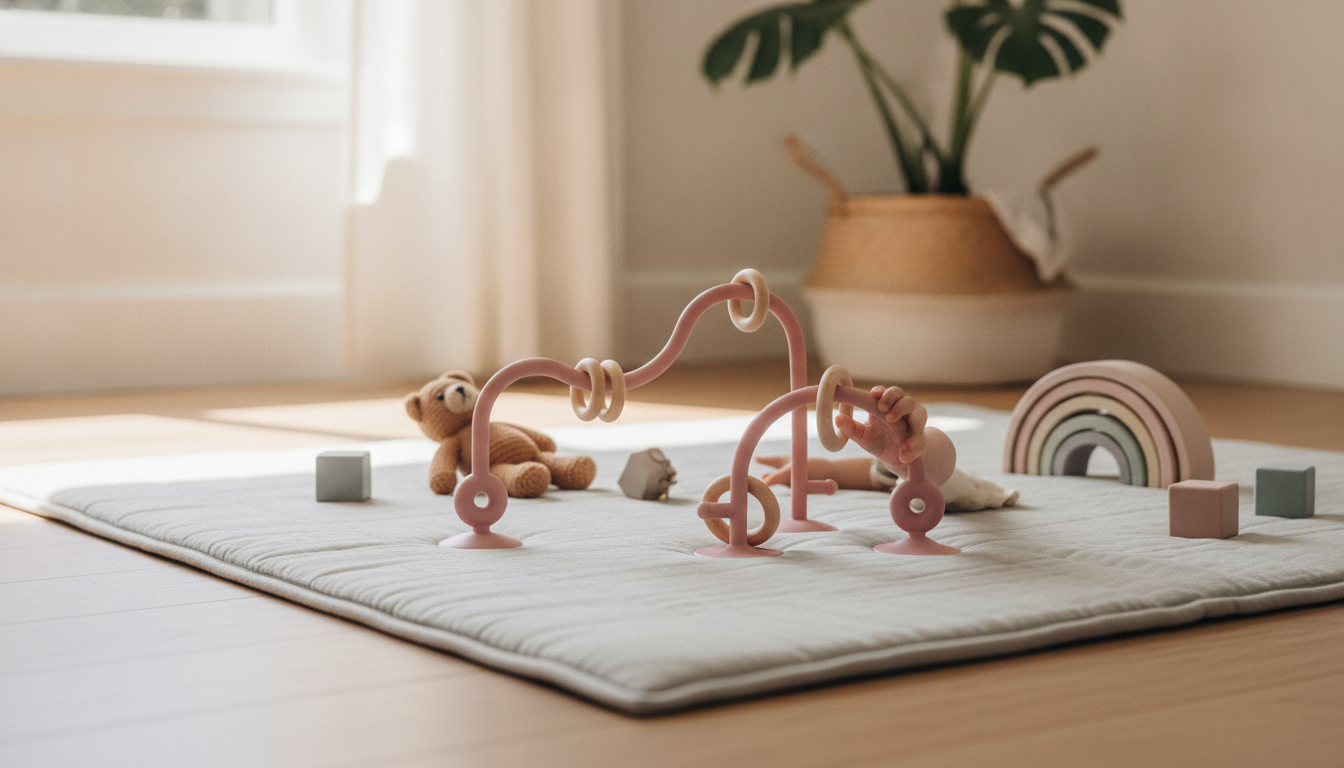
Wood Ring & Silicone Baby Teether Toy: Gentle Relief, Easy Grip, Simple Care
Teething can bring sore gums, extra drool, and fussy moments. A teether that combines a smooth wooden ring with soft silicone offers a comforting texture mix, an easy-to-hold shape for small hands, and a lightweight toy that fits naturally into daily routines at home or on the go. The goal is simple: give baby something satisfying to chew while keeping handling and cleanup manageable for caregivers.
What Makes This Teether Different
A wood-and-silicone ring teether stands out because it balances comfort with practicality. Instead of relying on just one material, it gives baby two distinct textures to explore.
- Two textures in one toy: firm wood for grasping and sensory interest, plus soft silicone for chewing comfort.
- Ring shape for easier control: the circular design supports early hand coordination and helps babies bring the teether to their mouth more easily.
- Minimal, packable design: fewer tight corners and crevices makes quick cleanups simpler and helps it travel well in a diaper bag.
Comfort and Development Benefits
Beyond soothing gums, a well-designed teether can support early skill-building. Babies learn by touching, mouthing, and moving objects—especially during the teething stage.
- Soothing pressure: silicone provides a gentle bite surface that can help relieve gum discomfort during teething periods.
- Sensory exploration: the contrast of smooth wood and flexible silicone encourages tactile learning and keeps baby interested.
- Grip practice: a round wooden ring supports palmar grasp, hand-to-mouth coordination, and early fine-motor development.
- Lightweight handling: easier for younger babies who may tire quickly when holding bulkier teethers.
For general teething guidance and comfort tips, see the American Academy of Pediatrics resource on teething.
Materials and Safety Checks to Look For
When a toy is designed for mouthing, materials and construction matter. A few quick checks can help you feel confident about what baby is chewing.
- Silicone quality: choose food-grade silicone and avoid products with strong chemical odors or sticky residue.
- Wood finish: look for smooth, splinter-free wood; unfinished or baby-safe sealed wood is commonly preferred for mouth contact.
- Construction: ensure the silicone portion is securely attached so small parts cannot detach with pulling or chewing.
- Age-appropriate use: always supervise chewing and discontinue if any cracking, tearing, or loose components appear.
Quick Comparison: Wood + Silicone vs Common Teether Types
| Teether type | How it feels on gums | Grip for small hands | Cleaning approach | Best for |
|---|---|---|---|---|
| Wood ring + silicone | Mixed: soft chew + firm hold | Excellent (ring shape) | Wipe silicone; keep wood from soaking | Everyday teething + sensory play |
| All-silicone teether | Soft and flexible | Varies by shape | Wash with warm soapy water | Babies who prefer softer biting |
| Water-filled cooling teether | Cool, slightly firm | Often easy to hold | Hand-wash only; avoid heat damage | Short, supervised soothing sessions |
| Hard plastic teether | Firm pressure | Varies | Wash with warm soapy water | Older babies who want firmer pressure |
For broader toy safety recommendations, the U.S. Consumer Product Safety Commission shares guidance on toy safety.
How to Use It Day to Day
Teethers work best as part of a flexible routine—offered when baby wants them, then put away when it’s time to rest, eat, or play with other items.
- Offer during teething peaks: many babies want extra gum pressure after naps or feeding, when discomfort can feel more noticeable.
- Rotate with other comfort tools: alternate with a cold washcloth or gentle gum massage to keep soothing options fresh and avoid overreliance on one item.
- Keep sessions short and supervised: especially when baby is tired, to reduce the risk of chewing damage and to ensure safe use.
- Make routines easier: keep one teether at home and another in the diaper bag so you’re not scrambling when fussiness hits.
Cleaning and Care
Cleaning a mixed-material teether is mostly about keeping the silicone fresh while protecting the wood from prolonged moisture.
- After each use: wipe silicone surfaces with a clean damp cloth; for deeper cleaning, use mild soap and warm water, then rinse thoroughly.
- Avoid soaking the wooden ring: extended moisture exposure can swell wood or raise the grain, making the surface feel rougher over time.
- Air-dry completely: let it dry fully before storing; keep it in a clean, dry spot away from heat sources.
- Inspect regularly: silicone tears, loosened attachments, or rough spots on wood are signs to retire the toy.
For additional consumer safety resources related to baby products, the FDA provides general guidance on keeping babies safe.
When to Replace a Teether
Even well-made teethers have a lifespan, especially once baby begins cutting teeth and chewing with more force.
Product Snapshot
- Name: Wood Ring & Silicone Baby Teether Toy
- Category fit: teething relief, sensory play, early grasp practice
- Gifting: a practical add-on for baby showers or new-parent essentials baskets
- Pairs well with simple care: quick wipe, air-dry, inspect
Helpful Add-Ons (In Stock)
- Elegant Irregular Oval Shaped Tabletop Mirror for Home Décor (nice for a dresser or changing area setup)
- Handmade Glazed Ceramic Flower Pot (an easy way to add a calming touch to a shelf or nursery corner)
FAQ
Can a wood-and-silicone teether be cleaned safely?
Yes. Wipe the silicone after use and wash it with mild soap and warm water as needed, while minimizing water exposure to the wooden ring. Always air-dry completely and inspect routinely for wear.
What age is a ring teether best for?
Many babies can use a ring-style teether from the early months through active teething, as long as it’s used under close supervision. The ring shape can be especially helpful for early graspers practicing hand-to-mouth coordination; follow the product listing guidance for age recommendations.
Is it safe for babies to chew on wood?
It can be when the wood is smooth, splinter-free, and intended for baby teething use. Check the surface often and replace the teether if the wood becomes rough, damaged, or develops splinters.
Recommended for you

Was this article helpful?
Yes
No









Leave a comment