-
Shop
- Adidas
- Advanced Technologies
- Auto
- Back to School
- Best-Sellers
- Car Accessories
- Dating & Social Skills
- Education & Learning
- Family & Parenting
- Fashion
- Alexander McQueen
- Balenciaga
- Belts
- Blazers
- Bottega Veneta
- Brunello Cucinelli
- Burberry
- Chanel
- Chloé
- Dior
- Dolce & Gabbana
- Etro
- Fendi
- Gucci
- Hoodies & Sweatshirts
- Jacquemus
- Jil Sander
- Jimmy Choo
- Kiton
- Luggage
- Miu Miu
- Off-White
- Outerwear
- Prada
- Rick Owens
- Saint Laurent
- Sweaters & Cardigans
- The Row
- Tom Ford
- Tops & Shirts
- Umbrellas
- Valentino
- Valentino Garavani
- Versace
- Vivienne Westwood
- Fashion Accessories
- Gadgets
- Gifts
- Health & Beauty
- Health & Wellness
- Home & Garden
- Home Supplies
- Kids & Babies
- Kitchen
- Nike
- Outdoor Fun
- Patio, Lawn & Garden
- Personal Growth
- Pet Care
- Pet Supplies
- Pets
- Sport & Outdoors
- Summer 2025 Fashion Collection
- Summer Fashion
- Summer Food & Drinks
- Super Deals
- Travel
- Travel Gear
- Wealth
Wood-Handle Gooseneck Kettle for Precise Pour-Over
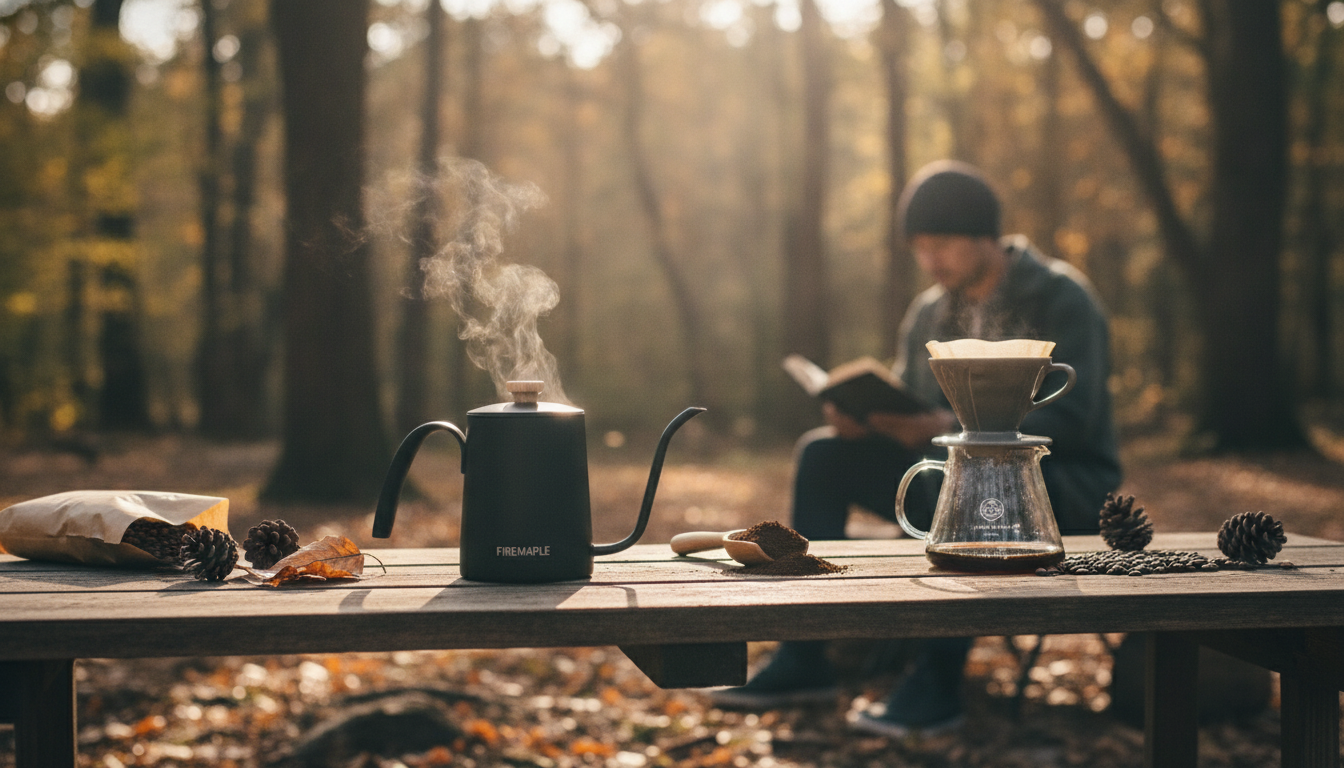
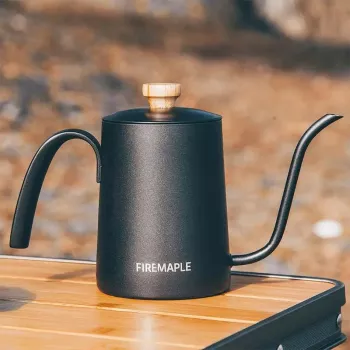
Stainless Steel Gooseneck Pour Over Kettle with Wooden Handle
A gooseneck kettle is built for control: a steady stream, precise aiming, and a comfortable grip that makes pour-over brewing calmer and more repeatable. This stainless steel gooseneck pour over kettle with wooden handle pairs durable metal construction with a warm-touch handle for a balanced feel at the counter, helping dial in bloom, spiral pours, and total contact time with less guesswork.
Why a Gooseneck Spout Changes Pour-Over Results
The biggest difference between a gooseneck and a wide-spout kettle is what happens during the pour. A narrower, controlled stream helps you decide when to be gentle (to avoid disturbing the bed) and when to add agitation (to boost extraction).
- Improves flow control so the stream can stay thin and consistent, reducing agitation when desired and increasing it when needed.
- Helps distribute water evenly across the coffee bed, supporting more uniform extraction and fewer dry pockets along the filter wall.
- Makes it easier to repeat a recipe (bloom volume, pour rate, and pour pattern) without relying on “eyeballing” from a wide-spout kettle.
- Supports different techniques: center pours for higher agitation, spiral pours for even saturation, and pulse pours for managing drawdown.
Over time, a consistent pour often translates to a cup that tastes clearer and more predictable. If you follow guidance from brewing organizations like the Specialty Coffee Association (SCA), a controlled pour is one of the simplest ways to reduce variables.
Design Highlights: Stainless Steel Body + Wooden Handle
This style of kettle combines a practical, everyday body material with a handle that’s designed to feel steady during slow, careful pours.
- Stainless steel construction is well-suited for daily use and resists odor retention compared with some porous materials.
- Wooden handle adds a cooler-touch grip and a natural texture that can feel more secure when pouring slowly.
- Gooseneck geometry supports accuracy when targeting the center or edges of the grounds without overshooting.
- Balanced handling matters during longer brews (multiple pulses), reducing wrist strain and improving steadiness.
If you tend to brew larger doses with multiple pours, the “feel” of the kettle matters as much as the spout. A stable grip helps keep your stream height low and your pattern consistent—two small details that can prevent channeling around the perimeter of the filter.
Quick Specs and What They Mean for Brewing
Before choosing a kettle, it helps to match it to how you actually brew: your cooktop, the number of cups you make at once, and whether you track temperature with a thermometer or separate heating device.
At-a-Glance Details
| Detail | What to check | Why it matters |
|---|---|---|
| Material | Stainless steel body; wooden handle | Durability and comfortable handling while pouring |
| Spout style | Gooseneck | Controls flow rate and accuracy for pour-over patterns |
| Care needs | Dry after washing; avoid prolonged soaking of wooden parts | Helps preserve finish and handle longevity |
| Best use | Pour-over coffee and controlled hot-water pours | Supports repeatable recipes and gentle saturation |
A comfortable handle and well-placed lid can reduce heat loss and improve safety during slow pours. If you use a thermometer-based workflow, plan ahead for where it will go (in-kettle probe, an instant-read thermometer, or a separate variable-temperature device).
How to Use It for a Cleaner, More Repeatable Cup
A gooseneck kettle rewards small, consistent habits. The goal is simple: wet all grounds evenly, manage agitation, and keep the slurry level where you want it.
- Preheat: Rinse the filter and warm the dripper and server; preheating reduces temperature drop during the bloom.
- Bloom: Start with a small pour to saturate all grounds; keep the stream gentle and aim for full wetting without flooding.
- Main pours: Use a slow, steady stream; pour in small circles to keep the bed level and prevent channeling along the edges.
- Pulse vs. continuous: Pulse pours can help maintain a stable water level and manage drawdown; continuous pouring can increase agitation and speed up extraction.
- Temperature awareness: Many light roasts do well with hotter water; darker roasts often benefit from slightly cooler water to reduce bitterness.
If your cups swing between “sharp” and “flat,” focus on pour rate and pattern first. Keeping your spout close to the bed and your stream consistent often tightens results more than changing your recipe every brew.
Stovetop and Heat-Safety Considerations
Mineral buildup can also be influenced by local water. For general context on water and mineral content, the CDC’s water treatment basics is a helpful reference point.
Cleaning and Care for Stainless Steel and Wood
Who This Kettle Fits Best
Shop In-Stock Picks
- Stainless Steel Gooseneck Pour Over Kettle with Wooden Handle — $82.51
- Handmade Glazed Ceramic Flower Pot — $11.51
- Elegant Irregular Oval Shaped Tabletop Mirror for Home Décor — $21.97
FAQ
Does a wooden handle stay cool during use?
Wood typically stays cooler than metal during pouring, but heat exposure depends on your stovetop, flame size, and how close the handle is to the heat source. Avoid letting flames roll up the sides, and use an oven mitt if the handle area feels warm.
Is a gooseneck kettle only for pour-over coffee?
No—gooseneck kettles are useful for tea, pre-wetting a French press, and any task where a controlled stream helps. They’re optimized for precision rather than fast, high-volume pouring.
How often should the kettle be descaled?
In hard-water areas, descaling every few weeks is common; in softer-water areas, every month or two may be enough. A diluted vinegar or citric-acid solution works well as long as you rinse thoroughly afterward.
Recommended for you
Was this article helpful?
Yes
No









Leave a comment