-
Shop
- Adidas
- Advanced Technologies
- Auto
- Back to School
- Best-Sellers
- Car Accessories
- Dating & Social Skills
- Education & Learning
- Family & Parenting
- Fashion
- Alexander McQueen
- Balenciaga
- Belts
- Blazers
- Bottega Veneta
- Brunello Cucinelli
- Burberry
- Chanel
- Chloé
- Dior
- Dolce & Gabbana
- Etro
- Fendi
- Gucci
- Hoodies & Sweatshirts
- Jacquemus
- Jil Sander
- Jimmy Choo
- Kiton
- Luggage
- Miu Miu
- Off-White
- Outerwear
- Prada
- Rick Owens
- Saint Laurent
- Sweaters & Cardigans
- The Row
- Tom Ford
- Tops & Shirts
- Umbrellas
- Valentino
- Valentino Garavani
- Versace
- Vivienne Westwood
- Fashion Accessories
- Gadgets
- Gifts
- Health & Beauty
- Health & Wellness
- Home & Garden
- Home Supplies
- Kids & Babies
- Kitchen
- Nike
- Outdoor Fun
- Patio, Lawn & Garden
- Personal Growth
- Pet Care
- Pet Supplies
- Pets
- Sport & Outdoors
- Summer 2025 Fashion Collection
- Summer Fashion
- Summer Food & Drinks
- Super Deals
- Travel
- Travel Gear
- Wealth
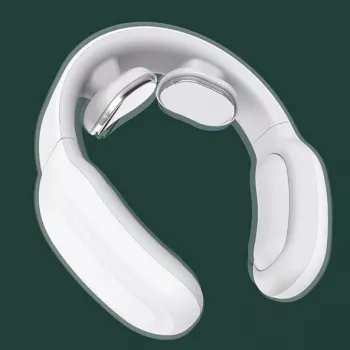
Wireless Electric Neck Massager for Desk-Day Relief

Wireless Electric Neck Massager: Comfort on Demand for Tight, Achy Necks
Long hours at a desk, commuting, workouts, and stress can leave the neck and upper shoulders feeling tight and fatigued. A wireless electric neck massager is designed to provide targeted relief without being tethered to a wall outlet, making it easier to use at home, at the office, or while traveling.
Why neck tension builds up so easily
The neck and upper shoulders do a lot of behind-the-scenes work all day—holding the head steady, stabilizing the shoulders, and reacting to stress. A few common patterns can make tension build fast:
- Forward-head posture from phones and laptops can overload neck muscles and the upper trapezius.
- Stress may increase muscle guarding, making stiffness feel worse by the end of the day.
- Poor sleep position or an unsupportive pillow can contribute to morning tightness.
- Repetitive activity (driving, gaming, lifting) can create trigger points in the neck and shoulder area.
- When pain is sharp, radiating, or paired with numbness/weakness, medical evaluation matters before relying on self-care. For general background, see Mayo Clinic’s overview of neck pain.
What a wireless electric neck massager can do
A wireless electric neck massager won’t “fix” every cause of discomfort, but it can be a practical part of day-to-day comfort—especially when the issue is tightness from static posture or overworked muscles.
- Consistent pressure or pulses without hand fatigue compared to manual massage.
- Short, frequent sessions that fit into breaks (for example, 10–15 minutes after meetings or workouts).
- Relaxation support that may reduce perceived muscle tightness when used responsibly.
- More flexibility thanks to the wireless design: couch, desk chair, travel, or between tasks.
- Best as part of a routine that also includes movement breaks and gentle stretching.
If you’re curious about massage therapy’s role in general wellness and recovery, Cleveland Clinic’s massage therapy guide offers a helpful overview.
Key features to look for in everyday use
Comfort tools only help when they’re easy to use consistently. These features tend to matter most for daily or near-daily sessions:
- Massage modes: multiple patterns can help match preference (kneading-like, tapping/pulsing, combination).
- Intensity levels: easier to start gentle and increase gradually based on comfort.
- Ergonomic fit: a stable fit around the neck/upper shoulders helps the massage land where it’s needed.
- Battery and charging: predictable runtime and convenient charging method for daily use.
- Noise level: quieter units are more practical for office use or shared spaces.
- Controls: simple buttons or intuitive layout reduces friction when using it frequently.
- Safety features: auto shut-off is helpful to prevent overuse.
Quick checklist before buying
| Feature | Why it matters | What to aim for |
|---|---|---|
| Wireless battery | Use it anywhere without a wall outlet | Stable runtime for multiple sessions between charges |
| Multiple modes | Different sensations for different days | At least 2–3 modes |
| Adjustable intensity | Prevents “too strong” discomfort | Several steps with a gentle starting level |
| Auto shut-off | Reduces overuse risk | Timed session cutoff |
| Comfortable fit | Keeps contact consistent | Secure and ergonomic around neck/shoulders |
How to use it for the best results
Small tweaks in how you use a neck massager can make the experience more comfortable and more consistent over time.
- Start on the lowest intensity for the first few sessions and increase only if it feels comfortable.
- Keep sessions short (often 10–15 minutes) and avoid extended, continuous use on one spot.
- Try it after heat (warm shower or warm compress) for a more “loosened” feeling.
- Pair with gentle mobility: slow neck turns, shoulder rolls, and chest-opening stretches after the session.
- Support the basics: hydration and posture breaks matter; massage alone may not offset long hours of static posture.
When to avoid use and when to get medical guidance
Comfort devices are meant for general muscle tightness—not for situations where neck pain may signal something more serious.
Product spotlight: Wireless Electric Neck Massager
If you want a simple, cordless option you can use during breaks, the Wireless Electric Neck Massager is designed for convenient neck relief at home, in the office, or while traveling. It’s a practical choice for quick wind-down sessions before bed, after screen-heavy workdays, or post-workout recovery—especially when combined with better posture habits and gentle stretching.
At-a-glance details
| Item | Details |
|---|---|
| Product | Wireless Electric Neck Massager |
| Price | 22.82 USD |
| Availability | In stock |
| Best for | Portable neck and upper-shoulder comfort sessions |
Simple neck-care routine for desk days
To make your workstation feel more intentional and calming, consider small environment upgrades that encourage better habits—like an Elegant Irregular Oval Shaped Tabletop Mirror for Home Décor for a tidier desk zone, or a Handmade Glazed Ceramic Flower Pot to add a soft visual break that reminds you to look up and reset your posture.
FAQ
How long should a neck massager be used at one time?
Most people do best with short sessions, often around 10–15 minutes, and with the lowest comfortable intensity at first. Avoid prolonged use on one spot, and follow the device’s timing guidance if it has an auto shut-off.
Can a neck massager help with tech-neck stiffness from computer work?
It can help reduce the feeling of tightness temporarily and support relaxation, especially after long screen time. Results are usually best when you also take posture breaks, do gentle stretches, and adjust your workstation setup.
When should neck pain be checked by a clinician instead of self-treating?
Get medical guidance if symptoms follow a fall or accident, or if you have fever with neck stiffness, a severe headache, numbness/tingling, weakness, radiating arm pain, or worsening pain despite rest.
Recommended for you


Was this article helpful?
Yes
No









Leave a comment