-
Shop
- Adidas
- Advanced Technologies
- Auto
- Back to School
- Best-Sellers
- Car Accessories
- Dating & Social Skills
- Education & Learning
- Family & Parenting
- Fashion
- Alexander McQueen
- Balenciaga
- Belts
- Blazers
- Bottega Veneta
- Brunello Cucinelli
- Burberry
- Chanel
- Chloé
- Dior
- Dolce & Gabbana
- Etro
- Fendi
- Gucci
- Hoodies & Sweatshirts
- Jacquemus
- Jil Sander
- Jimmy Choo
- Kiton
- Luggage
- Miu Miu
- Off-White
- Outerwear
- Prada
- Rick Owens
- Saint Laurent
- Sweaters & Cardigans
- The Row
- Tom Ford
- Tops & Shirts
- Umbrellas
- Valentino
- Valentino Garavani
- Versace
- Vivienne Westwood
- Fashion Accessories
- Gadgets
- Gifts
- Health & Beauty
- Health & Wellness
- Home & Garden
- Home Supplies
- Kids & Babies
- Kitchen
- Nike
- Outdoor Fun
- Patio, Lawn & Garden
- Personal Growth
- Pet Care
- Pet Supplies
- Pets
- Sport & Outdoors
- Summer 2025 Fashion Collection
- Summer Fashion
- Summer Food & Drinks
- Super Deals
- Travel
- Travel Gear
- Wealth
Timberland Men’s Leather Lace-Up Boots: Fit, Care & Style
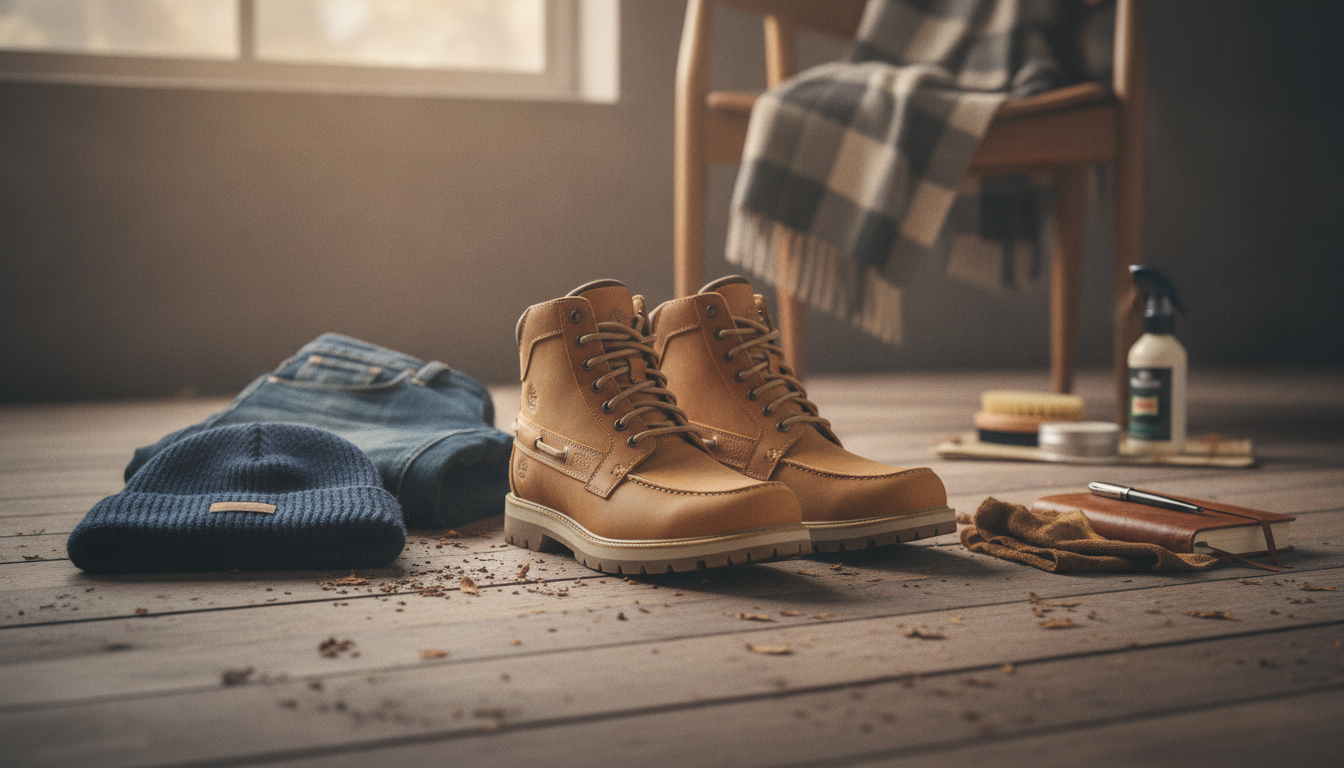
Timberland Men’s Leather Lace-Up Boots: a dependable leather boot for cooler days
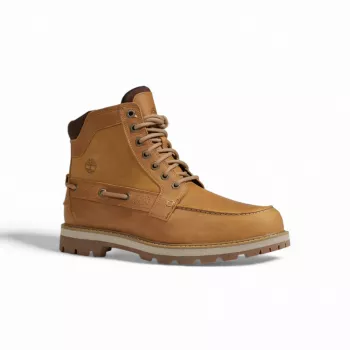
Built for everyday wear with a classic lace-up profile, Timberland men’s leather boots are a go-to option for cooler weather, light outdoor use, and casual outfits that need a sturdier foundation. The details that matter most come down to the leather’s finish, the boot’s structure through the heel and toe, and how well the lacing system lets you dial in fit—especially when switching between thin everyday socks and thicker winter pairs. For more guidance, see The 9 Best Men’s Boots of 2026 | Reviews by Wirecutter.
If you’re shopping for a leather boot that can handle commutes, weekend errands, and travel days without looking overly technical, the Timberland Men’s Leather Lace-Up Boots deliver a classic silhouette that works across casual and workwear-leaning wardrobes.
Quick look: what these boots are best for
- Daily wear in fall and winter, commuting, and casual weekends
- Outfits that benefit from a structured boot: denim, workwear, flannels, and layered basics
- Light-duty outdoor use (errands, parks, travel days) where durability matters
- A lace-up closure for adjustable fit across different sock thicknesses
Product details at a glance
- Leather lace-up construction designed for durability and a classic silhouette
- Stock status and pricing can change; confirm size availability before checkout
- Best results come from basic leather care: cleaning, conditioning, and weather protection
| Detail | What to know |
|---|---|
| Product | Timberland Men’s Leather Lace-Up Boots |
| Price | $139.51 USD |
| Availability | In stock |
| Closure | Lace-up |
| Upper | Leather |
| Primary use | Everyday wear, casual/outdoor-ready styling |
Leather and build quality: what to check
Leather boots can look similar online, but long-term wear tends to reveal the difference between a boot that stays sharp and one that looks tired after a season. Focus on a few practical checkpoints when choosing (and when your pair arrives).
- Leather type and finish: Smoother leathers read a little cleaner and slightly dressier, while more textured or rugged finishes help disguise everyday scuffs.
- Stitching consistency: Look for even stitch lines and secure seam joins in high-flex areas, especially where the toe bends and along the quarter panels.
- Hardware and laces: Solid eyelets/hooks and laces that glide smoothly make it easier to set tension without creating pressure points.
- Toe and heel structure: A supportive heel counter improves stability, and a well-shaped toe box helps reduce rubbing during longer walks.
For brand-specific guidance on cleaning and repairs, Timberland maintains a helpful care hub: Timberland — Product Care & Repair.
Fit and sizing guidance for lace-up boots
Lace-up boots are forgiving in a way slip-ons aren’t, but the goal is still the same: secure heel, comfortable toe room, and balanced pressure across the instep.
- Use lacing to fine-tune pressure: Keep the forefoot snug but not clamped down—over-tightening can cause numbness or hotspots.
- Try boots with your “real” socks: Fit can change dramatically between thin daily socks and thick winter socks.
- Watch for heel slip: A little movement in the first few wears can happen, but persistent heel lift usually signals a sizing issue or the need for a different lacing approach.
- If between sizes: Decide based on sock thickness and whether you’ll add an insole for extra cushioning.
If foot comfort and support are top priorities, the American Podiatric Medical Association’s overview is a useful reference point: American Podiatric Medical Association — Choosing Shoes.
Comfort and support over long days
A leather boot often feels best after it’s had time to flex and mold slightly. Planning for that early period helps prevent the most common complaints (ankle bite, heel rub, and forefoot pressure).
- Break-in expectations: Leather typically softens over time; shorter wears at first can reduce friction while the boot learns your stride.
- Arch and underfoot feel: If you stand a lot or walk long distances, a supportive insole can improve comfort without changing the boot’s look.
- Collar and tongue padding: Padding helps reduce rubbing and makes stair climbs and downhill walks more comfortable.
- Weight and flexibility: Structure adds stability, but overly stiff boots can feel fatiguing; lacing strategy can also influence perceived stiffness.
Traction and weather readiness
For city sidewalks and light trails, traction and leather protection matter more than extreme waterproofing. A few habits go a long way in keeping leather boots looking good through slush season.
How to style leather lace-up boots
Care and maintenance to keep leather looking better
When these boots are a strong pick (and when to pass)
More in-stock picks
- Timberland Men’s Leather Lace-Up Boots (daily-ready leather lace-up profile)
- Chic Cow Leather High Heel Ankle Strap Sandals for Women – Summer Party Style (a dressier leather option for warm-weather outfits)
- Electric Vacuum Cupping Massage Set for Anti-Cellulite Therapy (a recovery-focused add-on after long days on your feet)
FAQ
Do leather lace-up boots stretch over time?
Leather can soften and slightly relax with wear, especially across the forefoot and instep. Aim for a secure heel and enough toe room on day one, then fine-tune with lacing and socks as the leather breaks in.
How can leather boots be protected from rain and salt stains?
Use a leather-appropriate water-and-stain protector before the first wear, let it cure fully, and reapply as needed. After exposure, wipe off moisture and salt residue promptly, air-dry away from direct heat, and condition once fully dry.
What’s the best way to break in new leather boots without discomfort?
Start with short wears, adjust lace tension to reduce pressure on hotspots, and use socks that match typical use. If rubbing continues, try a different lacing pattern or add an insole or heel pad for better stability.
Recommended for you
Was this article helpful?
Yes
No









Leave a comment