-
Shop
- Adidas
- Advanced Technologies
- Auto
- Back to School
- Best-Sellers
- Car Accessories
- Dating & Social Skills
- Education & Learning
- Family & Parenting
- Fashion
- Alexander McQueen
- Balenciaga
- Belts
- Blazers
- Bottega Veneta
- Brunello Cucinelli
- Burberry
- Chanel
- Chloé
- Dior
- Dolce & Gabbana
- Etro
- Fendi
- Gucci
- Hoodies & Sweatshirts
- Jacquemus
- Jil Sander
- Jimmy Choo
- Kiton
- Luggage
- Miu Miu
- Off-White
- Outerwear
- Prada
- Rick Owens
- Saint Laurent
- Sweaters & Cardigans
- The Row
- Tom Ford
- Tops & Shirts
- Umbrellas
- Valentino
- Valentino Garavani
- Versace
- Vivienne Westwood
- Fashion Accessories
- Gadgets
- Gifts
- Health & Beauty
- Health & Wellness
- Home & Garden
- Home Supplies
- Kids & Babies
- Kitchen
- Nike
- Outdoor Fun
- Patio, Lawn & Garden
- Personal Growth
- Pet Care
- Pet Supplies
- Pets
- Sport & Outdoors
- Summer 2025 Fashion Collection
- Summer Fashion
- Summer Food & Drinks
- Super Deals
- Travel
- Travel Gear
- Wealth
Stainless Steel Cat Litter Scoop: Fast Sifting, Less Mess
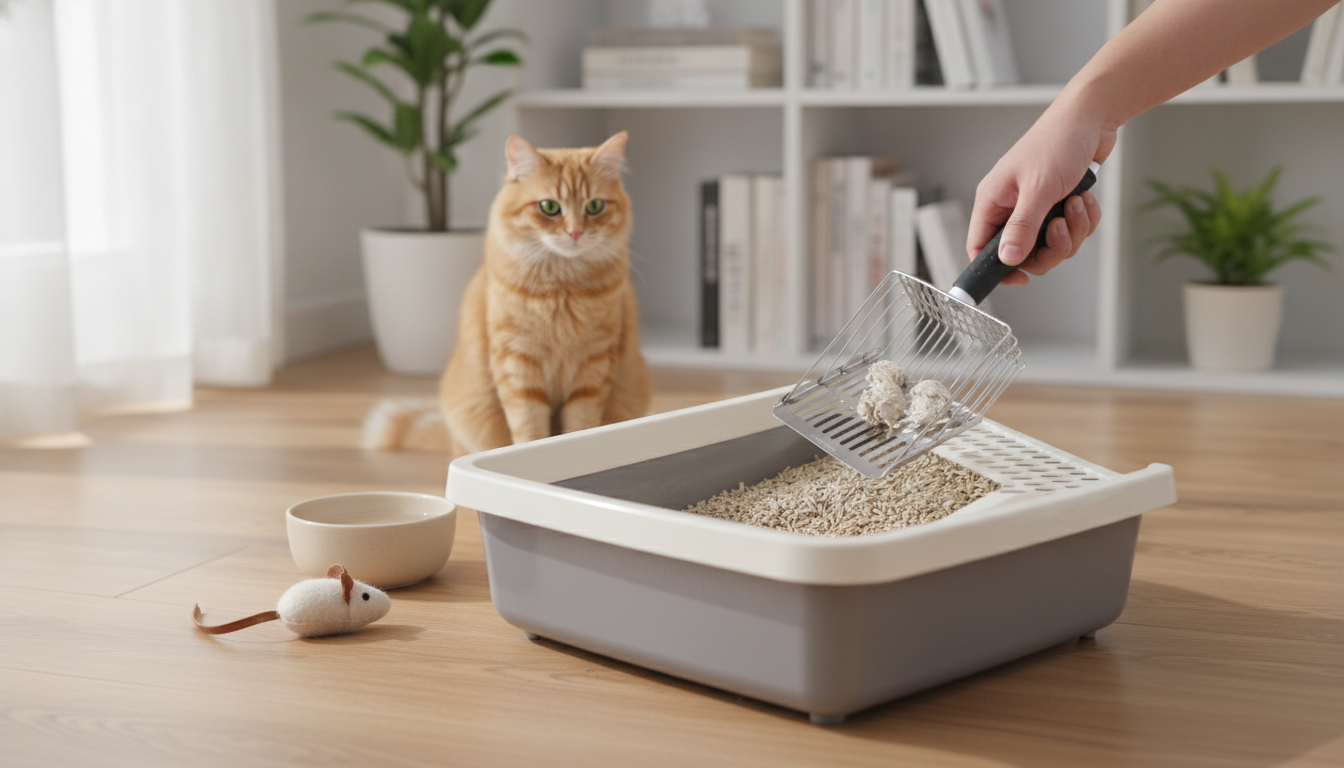
Stainless Steel Cat Litter Scoop: Cleaner Boxes, Faster Sifting, Less Mess
A sturdy litter scoop can make daily box maintenance quicker and far less frustrating. Stainless steel options are valued for their strength, easy rinsing, and resistance to odors compared with many plastic scoops. This guide covers what matters most—hole sizing, edge shape, handle comfort, and cleaning—so the litter box stays fresher with less effort.
Why stainless steel makes a difference
When scooping is part of the daily routine, the material matters more than it seems. Stainless steel brings a few practical advantages that show up fast.
- Handles heavy clumps without flexing: Firm metal construction helps prevent bending or snapping when clumps are dense or stuck.
- Less odor absorption over time: Stainless steel is non-porous, so it’s less likely to hold onto smells or discoloration the way some plastics can.
- Rinses cleaner with less scrubbing: Litter residue tends to release more easily from smooth metal than from textured surfaces.
- Better long-term value: If the goal is one scoop that survives repeated use, stainless steel often lasts longer than thinner plastic designs.
Key features that affect daily scooping
Two scoops can look similar at first glance, yet feel totally different when you’re trying to clear corners or sift quickly. These details influence speed, mess, and comfort.
- Sifting holes: Smaller holes catch finer clumps but can trap more clean litter; larger holes sift faster but may let small pieces slip through.
- Edge profile: A beveled or sharper leading edge helps lift clumps stuck to the bottom or wedged into corners—often with fewer passes.
- Basket depth: Deeper baskets carry clumps securely to the trash, reducing the chance of drops or crumbling on the way out.
- Handle comfort: A stable grip matters when hands are damp (from cleaning or rinsing), and a comfortable shape can reduce wrist strain.
- Weight and balance: Too light can feel flimsy; too heavy can tire your hand. A balanced scoop tends to feel easier across a week of daily use.
Choosing the right scoop for different litter types
Litter texture and clump behavior should guide hole size and edge style. Matching the scoop to the litter saves time and helps keep the box more consistent for your cat.
Care, cleaning, and hygiene tips
- Rinse after use when possible: Dried-on litter takes longer to remove and can increase odor near the box.
- Use mild dish soap weekly: Avoid harsh abrasives that can dull edges or create fine scratches where residue can collect.
- Dry fully before storing: This helps limit moisture around the litter area and reduces corrosion risk at any joints or handle parts.
- Keep the scoop off the floor: A hook, holder, or dedicated tray helps reduce cross-contamination—especially if the litter area is near feeding spaces.
- Wash hands after cleanup: For health basics around litter handling, see the CDC guidance on toxoplasmosis prevention.
If a cat starts avoiding the box, it may be related to cleanliness, placement, or stressors. The ASPCA overview of litter box problems is a helpful starting point, and general cat care guidance is available from the AVMA.
Quick comparison: what to look for at a glance
Scoop features and what they’re best for
| Feature | Best for | Trade-off to consider |
|---|---|---|
| Small sifting holes | Fine-grain litter; small clumps | May hold onto more clean litter and slow sifting |
| Medium sifting holes | Most clumping clay litters | May miss very small fragments |
| Large sifting holes | Pellet systems; faster shake-out | Small clumps can slip through |
| Beveled/sharper edge | Clumps stuck to corners/bottom | Can scratch some plastic liners if used aggressively |
| Deeper basket | Carrying heavy clumps with fewer drops | Can be bulkier to store |
| Ergonomic grip handle | Frequent cleaning; reduced wrist strain | Sometimes larger in hand; storage may be less compact |
Stainless Steel Cat Litter Scoop (product spotlight)
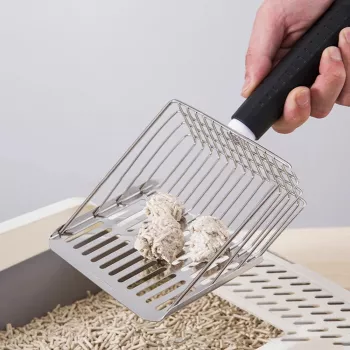
If daily scooping feels like a chore mainly because clumps are heavy, sticky, or messy to transport, a stainless steel scoop is a straightforward upgrade. The Stainless Steel Cat Litter Scoop is built for firm, confident lifting when clumps are compact or stuck, and the easy-rinse surface supports faster cleanup between uses. It’s a practical tool for routine maintenance—especially in multi-cat households where the box fills up faster and consistency matters.
More in-stock picks for an organized routine
- Weekly AM PM Pill Organizer with 14 Large Compartments for sorting vitamins or household schedules in one place.
- Electric Vacuum Cupping Massage Set for Anti-Cellulite Therapy for self-care downtime after the chores are done.
Habits that keep the box cleaner with less work
FAQ
Are stainless steel litter scoops easier to clean than plastic?
Yes, stainless steel is non-porous, so it’s less likely to absorb odors or stain, and it typically rinses clean faster than textured plastic. A quick rinse after use and a weekly wash with mild dish soap works well—just dry it fully before storing.
What hole size works best for clumping litter?
Medium hole spacing is a strong all-around choice for most clumping clay litters because it sifts efficiently without wasting too much clean litter. If your litter is very fine-grain or clumps are small and fragile, smaller holes can help keep clumps from falling through.
Can a metal scoop damage the litter box?
With normal use, it’s usually safe, especially if you lift clumps rather than scraping aggressively. On plastic boxes or liners, use a gentler angle around corners and avoid gouging the surface to help prevent scratches.
Recommended for you
Was this article helpful?
Yes
No









Leave a comment