-
Shop
- Adidas
- Advanced Technologies
- Auto
- Back to School
- Best-Sellers
- Car Accessories
- Dating & Social Skills
- Education & Learning
- Family & Parenting
- Fashion
- Alexander McQueen
- Balenciaga
- Belts
- Blazers
- Bottega Veneta
- Brunello Cucinelli
- Burberry
- Chanel
- Chloé
- Dior
- Dolce & Gabbana
- Etro
- Fendi
- Gucci
- Hoodies & Sweatshirts
- Jacquemus
- Jil Sander
- Jimmy Choo
- Kiton
- Luggage
- Miu Miu
- Off-White
- Outerwear
- Prada
- Rick Owens
- Saint Laurent
- Sweaters & Cardigans
- The Row
- Tom Ford
- Tops & Shirts
- Umbrellas
- Valentino
- Valentino Garavani
- Versace
- Vivienne Westwood
- Fashion Accessories
- Gadgets
- Gifts
- Health & Beauty
- Health & Wellness
- Home & Garden
- Home Supplies
- Kids & Babies
- Kitchen
- Nike
- Outdoor Fun
- Patio, Lawn & Garden
- Personal Growth
- Pet Care
- Pet Supplies
- Pets
- Sport & Outdoors
- Summer 2025 Fashion Collection
- Summer Fashion
- Summer Food & Drinks
- Super Deals
- Travel
- Travel Gear
- Wealth
Kids Scalp Massage Brush for Shampoo: Gentle, Fast Washes
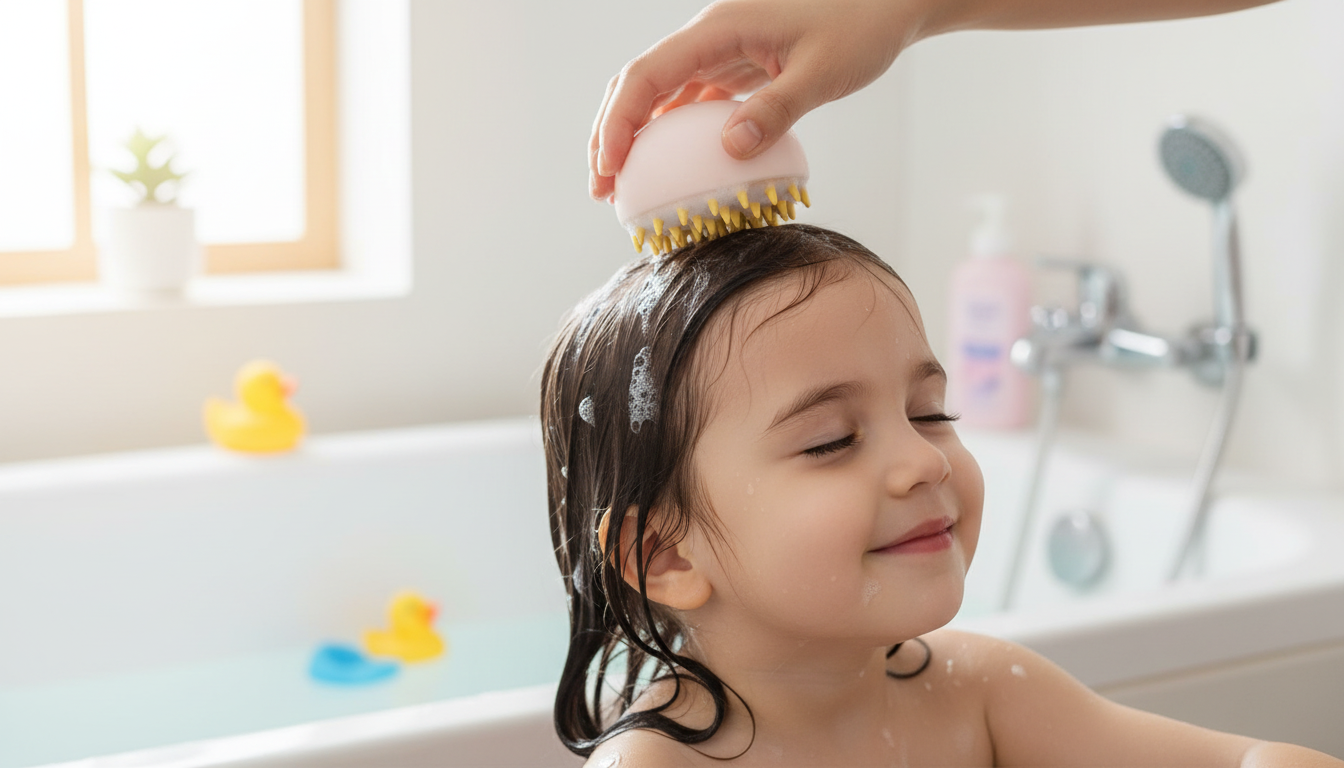
Kids Shampoo Scalp Massage Brush: A Calmer, Cleaner Hair-Wash Routine
A scalp massage brush made for kids can turn shampoo time into a quicker, gentler routine—helping lift buildup, spread shampoo evenly, and make rinsing easier. The right brush also supports a light, soothing scalp massage without tugging hair or irritating sensitive skin. For more guidance, see Cradle Cap | All For Kids Pediatric Clinic | Little Rock, AR.
What a kids scalp massage brush does (and why it helps)
A kids shampoo scalp massage brush is designed to keep pressure even while your hands stay relaxed. Instead of relying on fingernails (which can scratch), the brush uses soft, flexible bristles to agitate shampoo at the scalp level—where sweat, oils, and residue build up. For further reading, see Cradle Cap – UF Health.
- Helps work shampoo through hair and down to the scalp with less scrubbing from fingernails
- Loosens dirt, sweat, and product residue so it rinses away more easily
- Gently lifts flakes and buildup while keeping pressure consistent and controlled
- Can make bath time feel more relaxing for kids who dislike water on their head
- Encourages better rinsing by breaking up “shampoo pockets” near the roots
For families dealing with cradle cap or persistent scaling, gentle washing habits matter. Authoritative guidance is available from the American Academy of Dermatology Association and the Cleveland Clinic.
Who it’s good for
Not every kid needs a brush, but it can be especially helpful when hair texture or scalp sensitivity makes traditional shampooing frustrating.
- Kids with thick hair where shampoo tends to sit on the surface
- Kids with curly or coily hair who benefit from less tangling during cleansing
- Sensitive scalps where nail-scratching can cause redness
- Active kids who sweat more and need a more thorough (but gentle) clean
- Families aiming to reduce shampoo use by improving lather and distribution
If your child has an irritated scalp, open scratches, or a rash, skip the brush until the skin is calm and intact. Gentle contact should feel comfortable—never “scrubby” or stingy.
How to use it during shampoo (step-by-step)
The goal is consistent scalp contact, not dragging the brush through lengths. Keeping the motion small and controlled helps avoid knots and reduces tugging.
- Wet hair fully first; water helps the brush glide and reduces tugging.
- Apply a small amount of shampoo to the hair or directly to the brush (start small—more can be added if needed).
- Use light pressure and small circular motions, focusing on the scalp rather than the hair lengths.
- Work in sections: crown, sides, back of head, then hairline last (hairline can be extra sensitive).
- Rinse thoroughly, then run the brush lightly under water and do a quick final pass to help release trapped suds.
- Keep sessions short—about 30–60 seconds for most kids is enough.
Quick routine guide by hair type
| Hair type | Brush motion | Time | Tip to avoid tangles |
|---|---|---|---|
| Fine/straight | Small circles, very light pressure | 20–40 seconds | Keep brush close to scalp; avoid dragging through lengths |
| Thick/straight | Slow circles, section by section | 40–60 seconds | Add water if it starts to grab |
| Wavy/curly | Gentle circles + short pulses | 30–60 seconds | Hold hair near roots with free hand for extra control |
| Coily/kinky | Very gentle circles, minimal passes | 20–45 seconds | Use lots of water; consider pre-detangling before wash day |
Choosing a gentle brush: what to look for
A kids brush should feel soft and forgiving. If bristles are too stiff, kids may flinch or pull away—making shampoo time longer, not shorter.
- Soft, flexible bristles that bend slightly (kid scalps can be more reactive to rigid tips)
- A palm-grip or easy-hold shape so a caregiver can keep pressure consistent
- A non-slip texture for soapy hands
- A one-piece, easy-to-rinse design that doesn’t trap water inside
- Brushing surface sized for small heads so it’s easier to control around the hairline and behind ears
A simple test: on your own wrist, the bristles should feel like a gentle scrub, not a sharp scratch. If it feels uncomfortable to you, it’s probably too harsh for a child’s scalp.
Common mistakes (and simple fixes)
- Using too much pressure: lighten up until the brush glides comfortably; the goal is scalp contact, not scrubbing.
- Brushing through long lengths: keep motions at the scalp to prevent knots.
- Starting at the hairline: begin at the crown where it’s less sensitive, then move outward.
- Not adding enough water: if it drags, add water first before adding more shampoo.
- Skipping cleaning the brush: residue can build up—rinse after each use and dry fully.
If your child’s hair tangles easily, consider shampooing with your free hand supporting the hair near the roots. That little bit of counter-pressure can reduce pulling and keep the brush motion focused where it belongs.
Cleaning and care
A shampoo brush is low-maintenance, but it still needs routine cleaning—especially if it’s used with thicker shampoos, conditioners near the scalp, or medicated products.
Product option
- Weekly AM PM Pill Organizer with 14 Large Compartments
- Electric Vacuum Cupping Massage Set for Anti-Cellulite Therapy
- Chic Cow Leather High Heel Ankle Strap Sandals for Women – Summer Party Style
FAQ
Is a scalp massage brush safe for kids with sensitive skin?
Yes when used with soft bristles and light pressure; stop if there’s redness, pain, or irritation and avoid broken skin.
Can it help with flakes or cradle cap?
It may help loosen mild buildup during washing, but persistent cradle cap or significant scaling should be discussed with a pediatrician; avoid aggressive scrubbing.
How often should a kid use a shampoo brush?
Use it on regular wash days; most families use it 1–3 times per week depending on hair type, activity level, and scalp sensitivity.
Recommended for you

Was this article helpful?
Yes
No









Leave a comment