-
Shop
- Adidas
- Advanced Technologies
- Auto
- Back to School
- Best-Sellers
- Car Accessories
- Dating & Social Skills
- Education & Learning
- Family & Parenting
- Fashion
- Alexander McQueen
- Balenciaga
- Belts
- Blazers
- Bottega Veneta
- Brunello Cucinelli
- Burberry
- Chanel
- Chloé
- Dior
- Dolce & Gabbana
- Etro
- Fendi
- Gucci
- Hoodies & Sweatshirts
- Jacquemus
- Jil Sander
- Jimmy Choo
- Kiton
- Luggage
- Miu Miu
- Off-White
- Outerwear
- Prada
- Rick Owens
- Saint Laurent
- Sweaters & Cardigans
- The Row
- Tom Ford
- Tops & Shirts
- Umbrellas
- Valentino
- Valentino Garavani
- Versace
- Vivienne Westwood
- Fashion Accessories
- Gadgets
- Gifts
- Health & Beauty
- Health & Wellness
- Home & Garden
- Home Supplies
- Kids & Babies
- Kitchen
- Nike
- Outdoor Fun
- Patio, Lawn & Garden
- Personal Growth
- Pet Care
- Pet Supplies
- Pets
- Sport & Outdoors
- Summer 2025 Fashion Collection
- Summer Fashion
- Summer Food & Drinks
- Super Deals
- Travel
- Travel Gear
- Wealth
Copper LED Ceiling Light: Warm Upgrade for Porch & Living
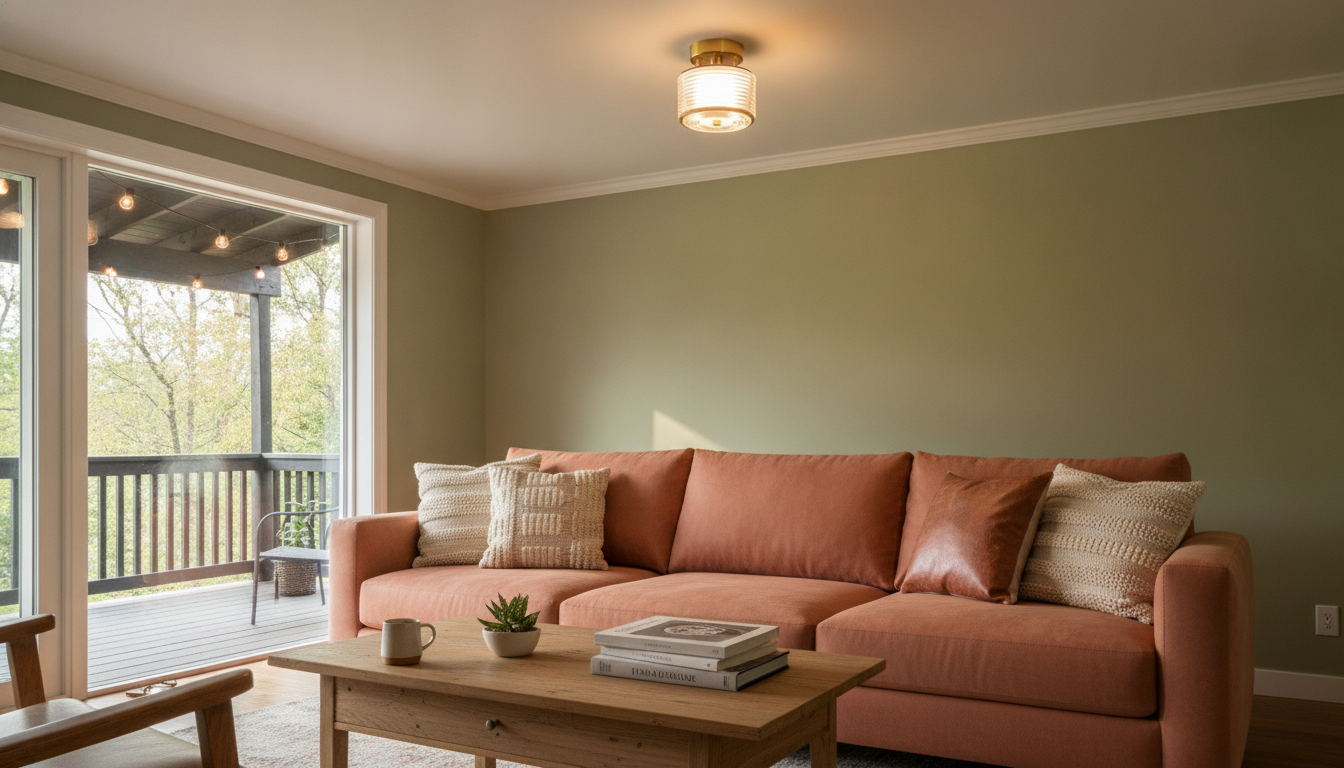
Modern LED Ceiling Light in Copper: A Warm, Modern Upgrade for Porch, Living Room, and Balcony
A copper-finish LED ceiling light brings a welcome mix of warmth and clean-lined modern style—especially in the “in-between” spaces of daily life. Think: the porch where you’re juggling keys, the living room where you unwind, and a covered balcony where you want evening light without cluttering the floor. With the right placement and light color, a copper ceiling fixture can feel intentional, comfortable, and surprisingly versatile.
Why a copper LED ceiling light suits indoor-outdoor living
Copper tones naturally soften modern architecture. If your home leans toward concrete, glass, black metal, or crisp white paint, copper adds a warmer counterpoint without looking traditional or overly ornate. That warmth is especially helpful in transitional zones like entryways and covered outdoor areas, where surfaces can feel a bit hard or echo-prone.
LED technology adds practical advantages alongside the style. LED fixtures are known for bright, even illumination and lower energy use than many older bulb types. For a quick overview of LED efficiency and benefits, you can reference the U.S. Department of Energy’s guide to LED lighting and ENERGY STAR’s overview of LED light bulbs.
Ceiling-mounted lighting also keeps your layout flexible. On a small porch or balcony, a fixture overhead keeps walkways, seating areas, and planters clear—no cords, no tripod stands, and nothing to bump into when you’re carrying groceries or moving chairs.
Best placement ideas: porch, living room, and balcony
Placement matters as much as the fixture itself. A copper ceiling light can be a focal point in a neutral room, or a subtle complement to wood, stone, and greenery—depending on how you position it and what you pair it with.
Placement guide for comfortable lighting
| Area | Primary goal | Placement tip | Comfort note |
|---|---|---|---|
| Porch/Entry | Safe footing and clear visibility | Center above the door swing/entry path | Avoid glare by keeping the fixture out of direct eye line when standing at the door |
| Living Room | Even ambient light | Center of the room or centered over the main seating zone | Layer with a floor lamp for softer evening lighting |
| Covered Balcony | Usable light for seating/dining | Above table or seating cluster | Choose warmer light for a relaxed mood after sunset |
Porch: make the entry feel safer and more welcoming
Center the fixture over the main entry zone to reduce shadows around locks, door handles, steps, and package drop spots. If your door has glass or you have sidelights, angle and height become even more important—glare can feel harsh when you’re arriving at night. A copper finish helps the porch read warmer even before the light is switched on.
Living room: anchor the ceiling without overpowering the décor
In a compact living room, a single ceiling light often does most of the heavy lifting. Place it centered in the room or above the main seating area for balanced illumination. In larger spaces, treat it as ambient light and rely on lamps or sconces to add depth. Pairing copper with tan textiles, natural wood, and a small touch of brass can echo the finish without turning the room into a “matchy” metal theme.
Covered balcony: keep light focused where people gather
Mount the fixture above a bistro set or seating nook so light lands where you actually sit and eat. On balconies, the best lighting feels directed and calm—bright enough for a drink, a book, or conversation, but not so intense that it bounces off railings or glass doors.
Light quality: brightness and color temperature made simple
Two specs drive day-to-day comfort: brightness and color temperature. For most living rooms, porches, and covered balcony setups, warm white (around 2700K–3000K) looks inviting and helps copper finishes glow rather than look flat. Neutral white (around 3500K–4000K) can read cleaner and more task-forward, which can be useful in multipurpose areas where you want a crisper look.
Installation and safety checkpoints
For porches and covered balconies, moisture is the big consideration. Even without direct rain, humidity and wind-driven dampness can affect fixtures over time. Check that the light is suitable for damp locations if it’s exposed to moisture, and ensure the canopy sits flush to help limit gaps. If you’re replacing an older fixture, inspect wiring insulation and grounding. When wires look brittle, connections are unclear, or you find unusual splices, a licensed electrician is the safest next step. For general fixture safety guidance, UL Solutions provides information on lighting and luminaire safety.
Styling the copper finish so it looks intentional
Care and maintenance for long-lasting shine
A simple way to pull the whole space together
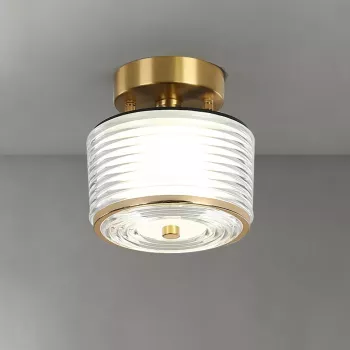
- Modern LED Ceiling Light – Copper Lamp for Porch, Living Room, and Balcony
- Elegant Irregular Oval Shaped Tabletop Mirror for Home Décor
- Handmade Glazed Ceramic Flower Pot
FAQ
Is a copper LED ceiling light a good choice for a covered porch or balcony?
Yes—covered areas are a great fit as long as the fixture is rated appropriately for moisture exposure. For humidity or wind-driven dampness, choose a damp-location suitable fixture and make sure it’s mounted securely and sealed neatly against the ceiling.
What light color looks best with copper finishes in living spaces?
Warm white typically complements copper best, usually in the 2700K–3000K range. Neutral white can work when you prefer a cleaner, more task-oriented look, but it may feel less cozy in lounging areas.
How bright should a ceiling light be for an entry or small living room?
It depends on room size, ceiling height, and how light or dark your walls and furnishings are. Aim for comfortable ambient brightness and add a lamp or secondary light if shadows persist in corners or near seating.
Recommended for you


Was this article helpful?
Yes
No









Leave a comment